May 6, 2026
Community Spotlight: Malawi’s Women of Satoshi Cooperative
According to the World Bank, approximately 83% of Malawi’s population lives in rural areas. And according to the 2018 Malawi Population & Housing Census, almost 52% of the residents of these rural areas are women.
It’s this latter group that Thandi Mtemang'ombe is trying to reach.
Mtemang'ombe co-founded the Women of Satoshi Cooperative (WoSC), a Malawi-based organisation, one year ago and has since been putting much of her energy into empowering women in these rural regions of her home country.
She does this work with both passion and a sense of urgency, because these women are amongst the most vulnerable in the east African nation.
“The Women of Satoshi Cooperative is a non-profit organisation focused on helping women gain confidence and independence through financial education — especially Bitcoin education — financial literacy, and women-led economic activities,” Mtemang'ombe told me in an interview.
“In Malawi, the need for this work is especially urgent because the country is overwhelmingly rural [...] and many of the people most affected by inflation, limited access to financial services, and economic exclusion are women living in rural communities,” she added.
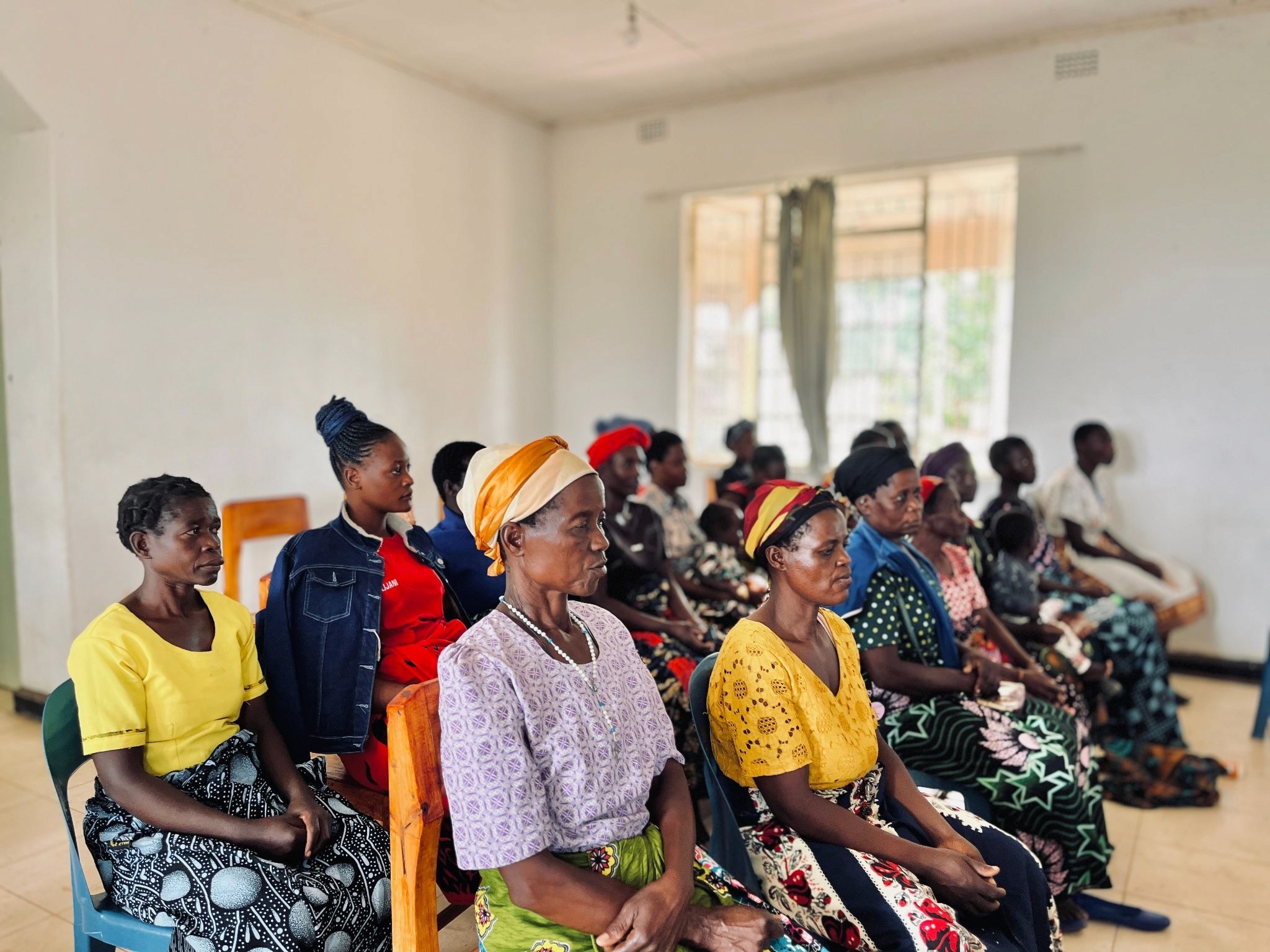
Members of the Women of Satoshi Cooperative at a Bitcoin event in Malawi. | Photo courtesy of Thandi Mtemang'ombe
Mtemang'ombe stressed that the WoSC is much more than a program that just teaches Malawian women the ins and outs of Bitcoin. It’s far more dynamic and comprehensive than that — it addresses the core issues that affect Malawian women.
“We are not just teaching about money; we are addressing the root causes of why many women struggle financially,” said Mtemang'ombe. “We work from the ground up, reaching women who are often forgotten, and combining financial education with real community support and long-term empowerment.”
Starting the Cooperative
The idea for the WoSC came from Yankho Ngolleka, who recognised the necessity for such a cooperative as he took note of the near total lack of women at a Bitcoin meetup in Malawi.
“At Bitcoin sessions hosted by Bitcoin Boma, Yankho noticed that women were almost completely missing from Malawi’s growing Bitcoin and digital finance conversations,” recounted Mtemang'ombe.
“Out of 15 to 20 men, sometimes only one woman would attend, which showed a clear gap where women were being left out of knowledge that could empower them financially. Determined to change this, Yankho created a safe and welcoming space where women could learn from and support each other,” she added.
“I, Thandi Mtemang’ombe, am the co-founder, and together we are committed to creating real opportunities for women and girls across Malawi.”
Learning from the Bitcoin Dada Model
When Ngolleka decided to shift his focus to BitDevs Malawi, he handed the leadership position at the organisation to Mtemang'ombe.
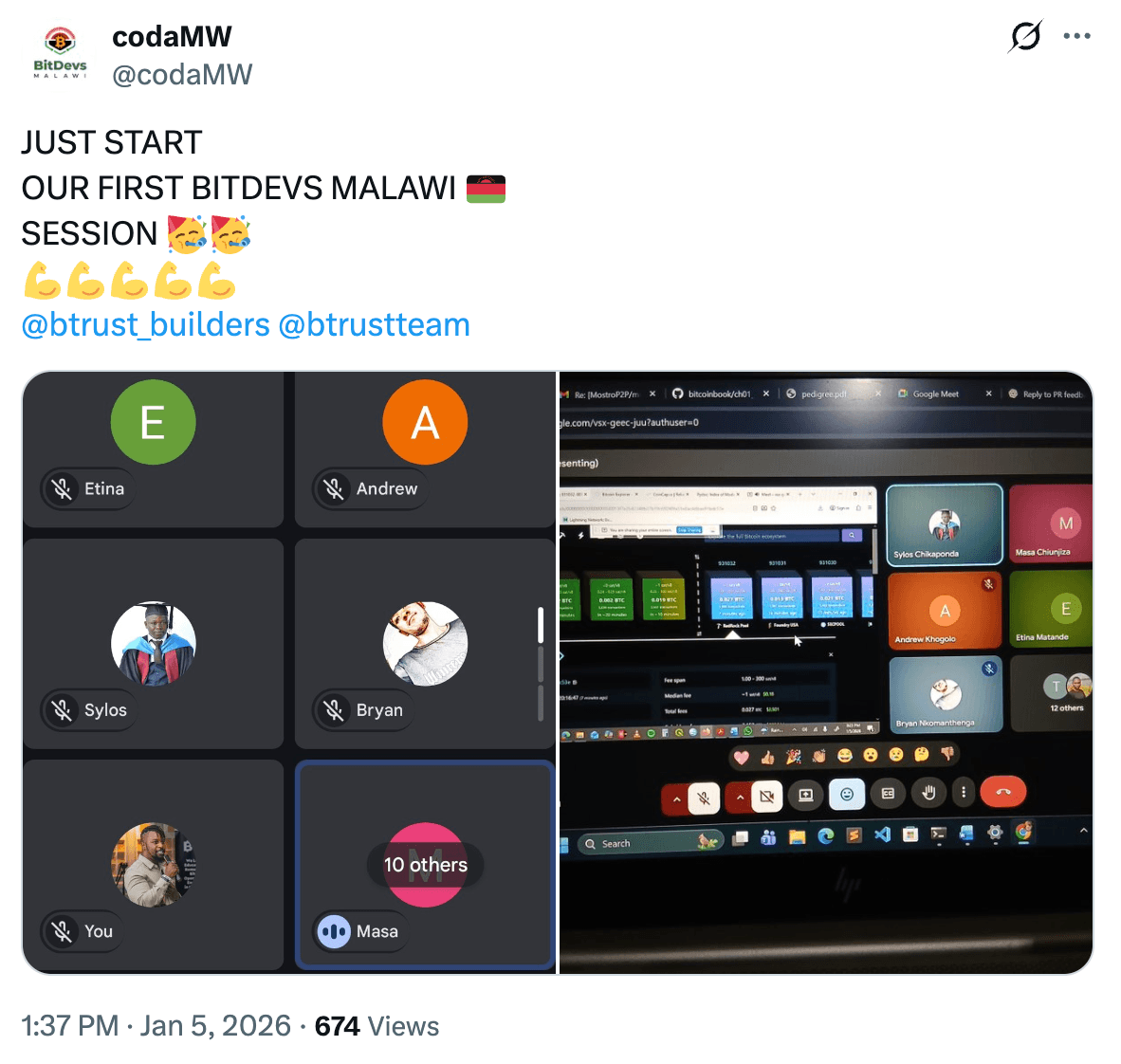
Mtemang'ombe remembers how, early on, she was a bit overwhelmed by the responsibility of leading the organisation.
“At first, I did not know how to build a community or create the warm and safe environment women needed,” Mtemang'ombe recalled. “I didn’t even have a LinkedIn or X account back then, and I didn’t know how to network or put myself out there.” (She has both types of accounts now: Be sure to follow her on LinkedIn and X.)
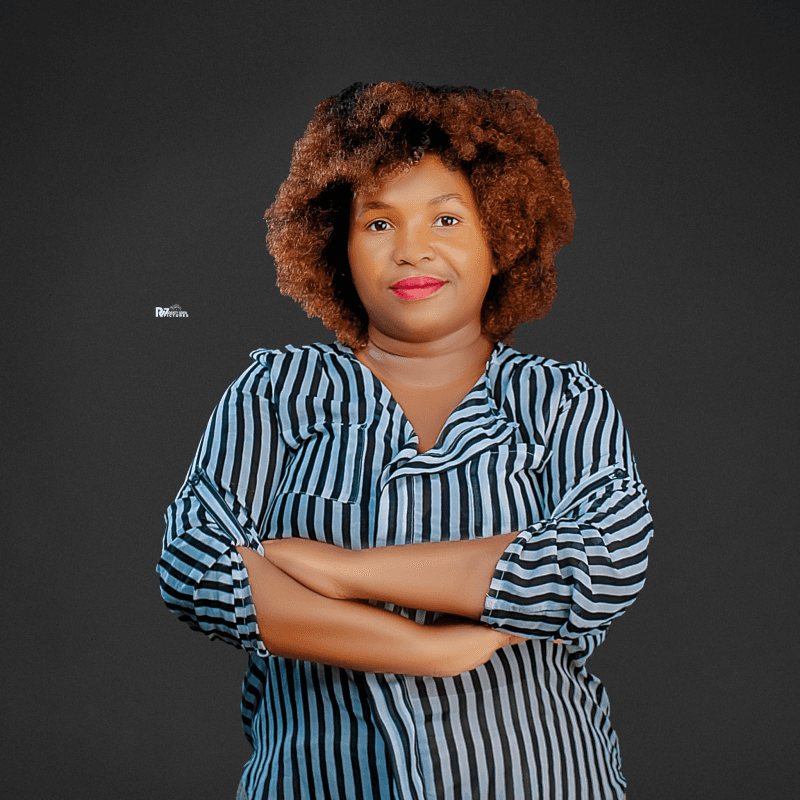
Mtemang'ombe’s profile picture on LinkedIn and X
What Mtemang'ombe did have, though, was her experience as a community member of Bitcoin Dada, a non-profit that teaches African women about Bitcoin and financial literacy.
“Bitcoin Dada taught me how to build sisterhood, how to create safe spaces for women, and how to be confident, bold, and unafraid to speak up,” said Mtemang'ombe. “Because of Bitcoin Dada, we were inspired to create our own cohorts, and it gave me the tools, courage, and belief to help turn the cooperative into the growing community it is today.”
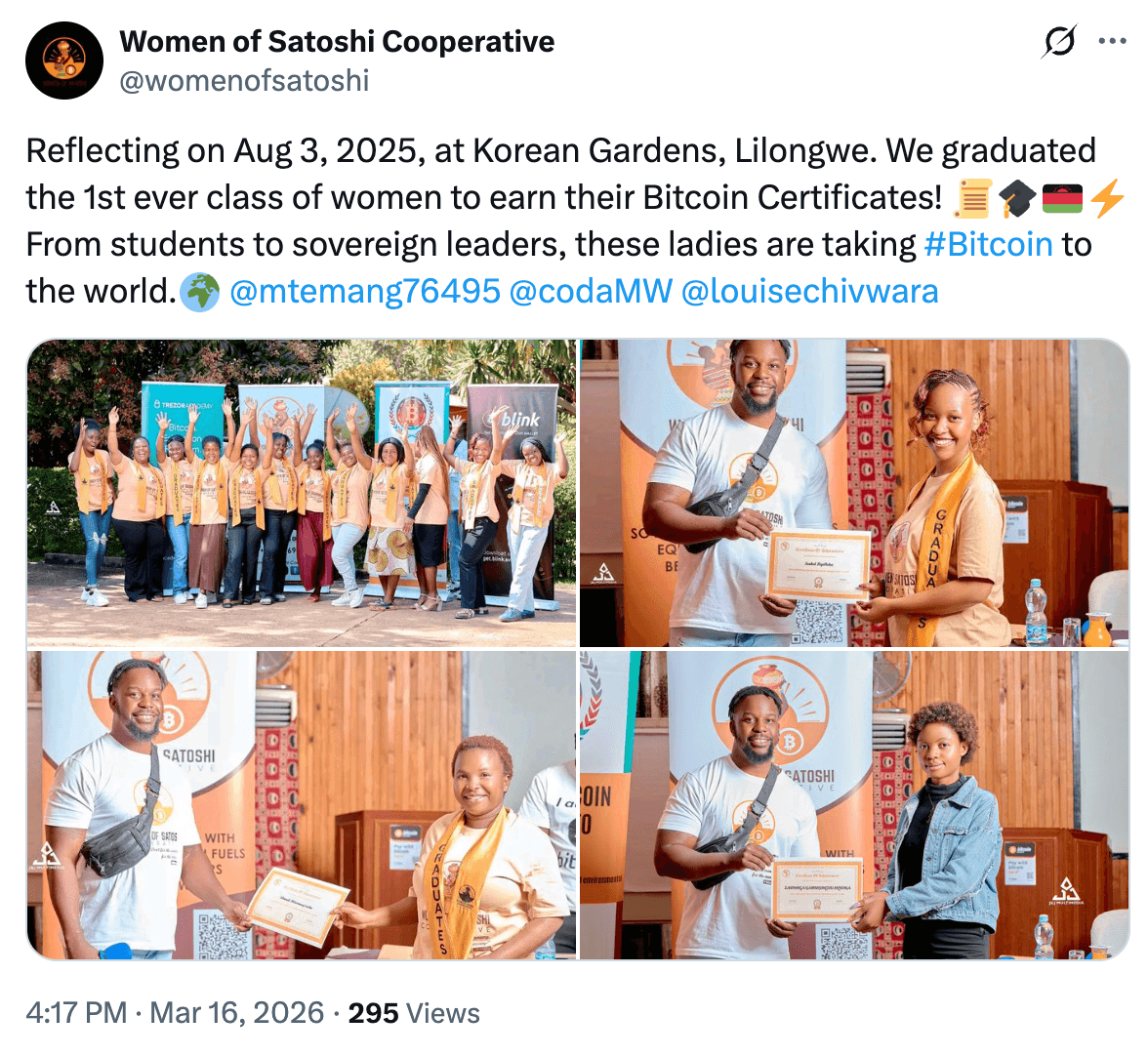
A social media post celebrating the graduation of the first WoSC educational cohort.
Much like Bitcoin Dada, the WoSC takes a holistic approach to empowering the women with whom they work, and they do everything in their power to make sure that women of all means and abilities are included.
Who the WoSC Serves and How It Works
As mentioned, the WoSC aims to help rural Malawian women, and these women include those who don’t have much formal education, have dropped out of school, and lack literacy skills.
Mtemang'ombe wants to make Bitcoin as easy to use for these women as the traditional monetary platforms with which they’re already familiar.
“We teach them to use Bitcoin in a simple way, just as they use services like Airtel Money and TNM,” said Mtemang'ombe. (Airtel Money and TNM are mobile money services that operate via local telecommunications networks.)
“We want to build local Bitcoin circular economies amongst these women where they can earn, save, and transact with confidence and independence,” she added.
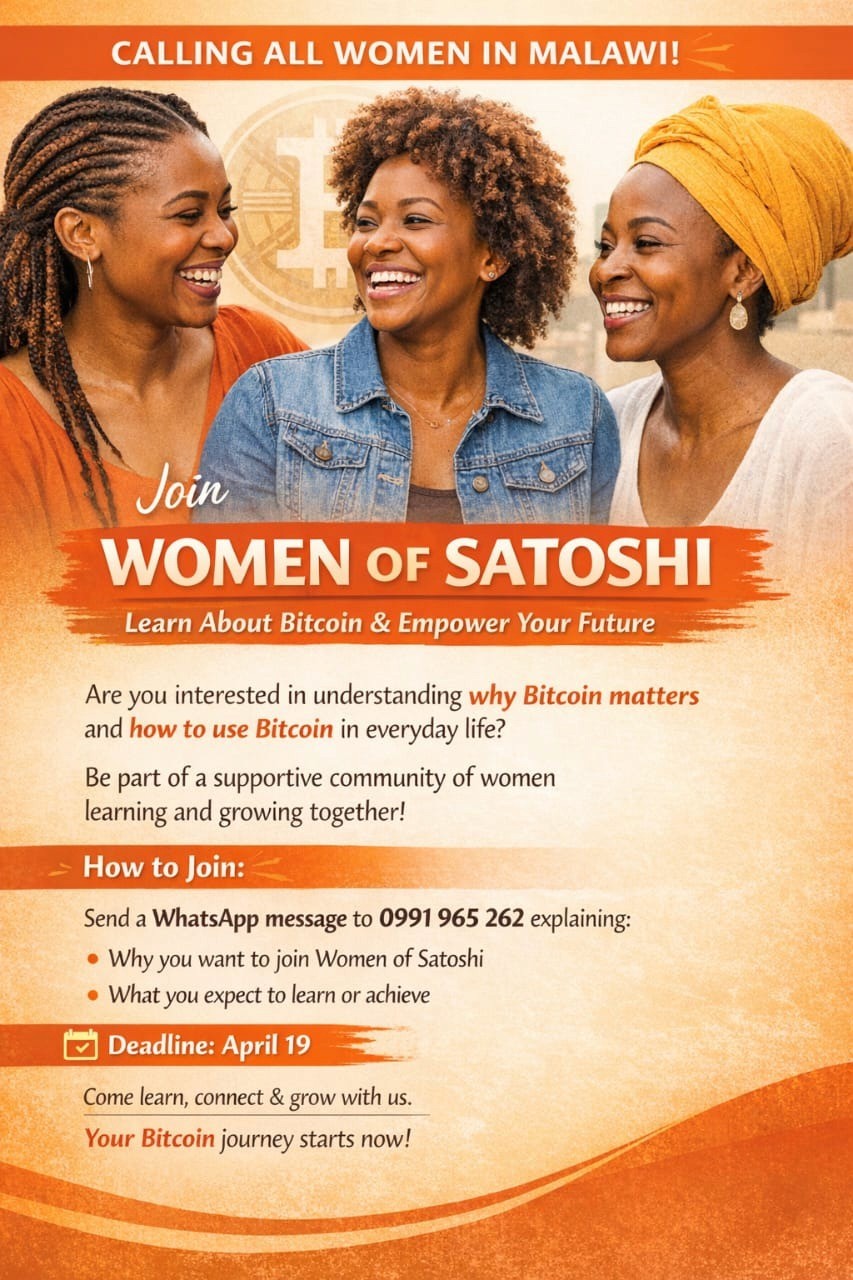
A promotional image for the Women of Satoshi Cooperative
While practical education is a major component of the work that WoSC does, its efforts are also much broader than that.
“We hold regular online introduction to Bitcoin classes and community calls where women can learn and ask questions,” explained Mtemang'ombe.
“We also offer hands-on training, such as pine gel (a popular cleaning solution in the country) production and other small business skills. We encourage members to start small scale businesses, and we are working towards providing small startup capital so women can begin income-generating activities and save more confidently as cooperatives,” she added.
“We also teach basic financial literacy and real-life cooperative management.”
What is more, the WoSC encourages its members to become community leaders. And it looks to its members when it’s time to promote people to leadership positions within the cooperative.
“We grow our own leaders from within,” said Mtemang'ombe.
“Today, our Operations Manager, our Communications Lead, and our Education Coordinator all came from the Women of Satoshi community,” she added.
“Women start as learners and grow into leaders.”
Where Fedi Comes In
According to Mtemang'ombe, what Malawian women value most about the Fedi app is that it offers them the ability to save in a group — a concept that is built into Malawian culture.
“Malawi has traditional savings groups known as ‘banknkhonde’ or village banks, where women meet weekly to deposit, borrow, and repay money,” explained Mtemang'ombe.
She added that the traditional versions of this savings mechanism mostly work well but that one of the main issues with them is that via these traditional methods, the women save in a currency that’s rapidly depreciating.
The Malawian kwacha (MWK) has drastically and unforgivingly depreciated in recent years.
The most egregious example of this was on 9 November 2023, when the central bank of Malawi devalued the MWK by 44% against the U.S. dollar.
And, according to Mtemang'ombe, similar levels of inflation still ravage the currency.
“A few months ago a packet of sugar cost 3,500 MWK, but now many shops sell it for 5,500 to 6,000 MWK,” said Mtemang'ombe. “A two-litre bottle of cooking oil, which was 7,500 MWK, now costs around 16,000 MWK.”
Mtemang'ombe noted that while prices continuously rise in the country, wages of most Malawians remain stagnant. For this reason, saving in bitcoin truly serves as something of a financial life raft.
Plus, using Fedi stops greatly reduces the chances of someone stealing the community savings.
“The Fedi app introduces a safer method of community saving using shared control, which prevents one person from having too much power,” said Mtemang'ombe. “This is part of why the most important feature for us is the shared wallet, where funds are controlled by trusted community members rather than one individual. This community-based trust system fits perfectly with how Malawian women already work together.”
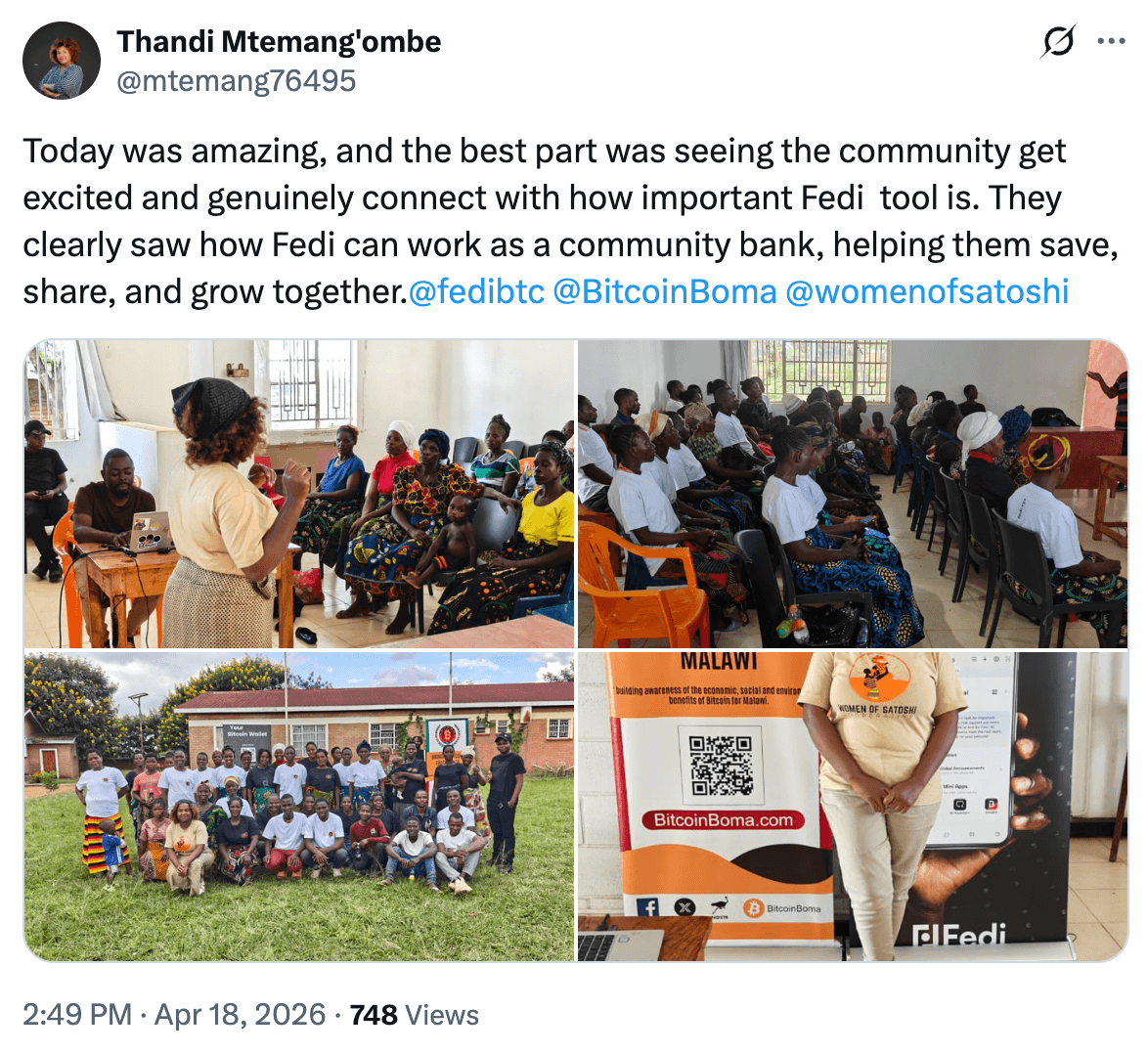
A post from Mtemang'ombe on Fedi
The WoSC uses Fedi as much more than just a wallet, as well. They rely on its Community feature and often employ certain Mini Apps.
“At the moment, we have a Women of Satoshi leaders Community on Fedi, which we use to manage our operations and communications,” shared Mtemang'ombe.
“We have also added Mini Apps like Chessa Swap, BTC Map, Geyser Fund and Stakwork, which are helpful to our work,” she added.
The Future of the WoSC
Moving forward, Mtemang'ombe plans for the WoSC to connect with and support the women with whom they work more profoundly, not only providing more advanced trainings for them but following up with them in person throughout the rural areas in which the cooperative’s members live.
“The future of Women of Satoshi Cooperative is focused on growth, deeper impact, and building stronger systems that support women at different levels,” shared Mtemang'ombe. “We plan to increase physical trainings, strengthen follow-ups, and conduct more community visits, especially in rural areas.”
Mtemang'ombe was also optimistic about the tools that her Ngolleka has been crafting. Ngolleka, a skilled developer who works at the cutting edge of Bitcoin payments and decentralised identity, has been working with both types of technology to build tools that will directly benefit the community.
“As part of this broader vision, our founder Yankho Ngolleka is building the Ulendo App, an app built on Nostr and the Lightning Network, which aims to support these circular economies by making it easier for people to access services like accommodation, tour guides, and rides,” said Mtemang'ombe.
Such a tool is just one of many that she hopes to teach to the women with whom she works in an effort to not only help open new doors for them but to reinforce what they’re already skilled at — working together.
“We are still in the early stages, but we are committed to giving women the tools, confidence, and opportunities to build a better future,” said Mtemang'ombe. “Our long-term goal is to expose women to more opportunities within the Bitcoin ecosystem and build local Bitcoin circular economies where women can earn, save, and transact in their own environments.”
