May 12, 2026
Bitcoin for Lunch: How Fedi Onboarded 98 Students at Nairobi’s Kenyatta University
Nairobi, Kenya — On 30 April 2026, ninety-eight students at Kenyatta University experienced how Bitcoin works firsthand via the Fedi app.
The students, most of whom were encountering Bitcoin in a practical sense for the first time, downloaded Fedi, joined a federation, and even paid for their lunch in sats.
No bank account. No personal information. Just a phone and payment for 21 satoshis, which were distributed to the students at the event.
The occasion was a stop on the monthly “Bitcoin Campus Caravan” hosted by Bitsavers Eduhub, one of the key partner projects with whom Fedi is working to deepen Bitcoin adoption across East Africa.
Whilst the broader event was a general Bitcoin education gathering, Felix Mukungu, Fedi's community lead in Kenya and founder of The Core, coordinated with Linda Kariuki, founder of Bitsavers Eduhub, to carve out a dedicated virtual Fedi onboarding session within the programme.
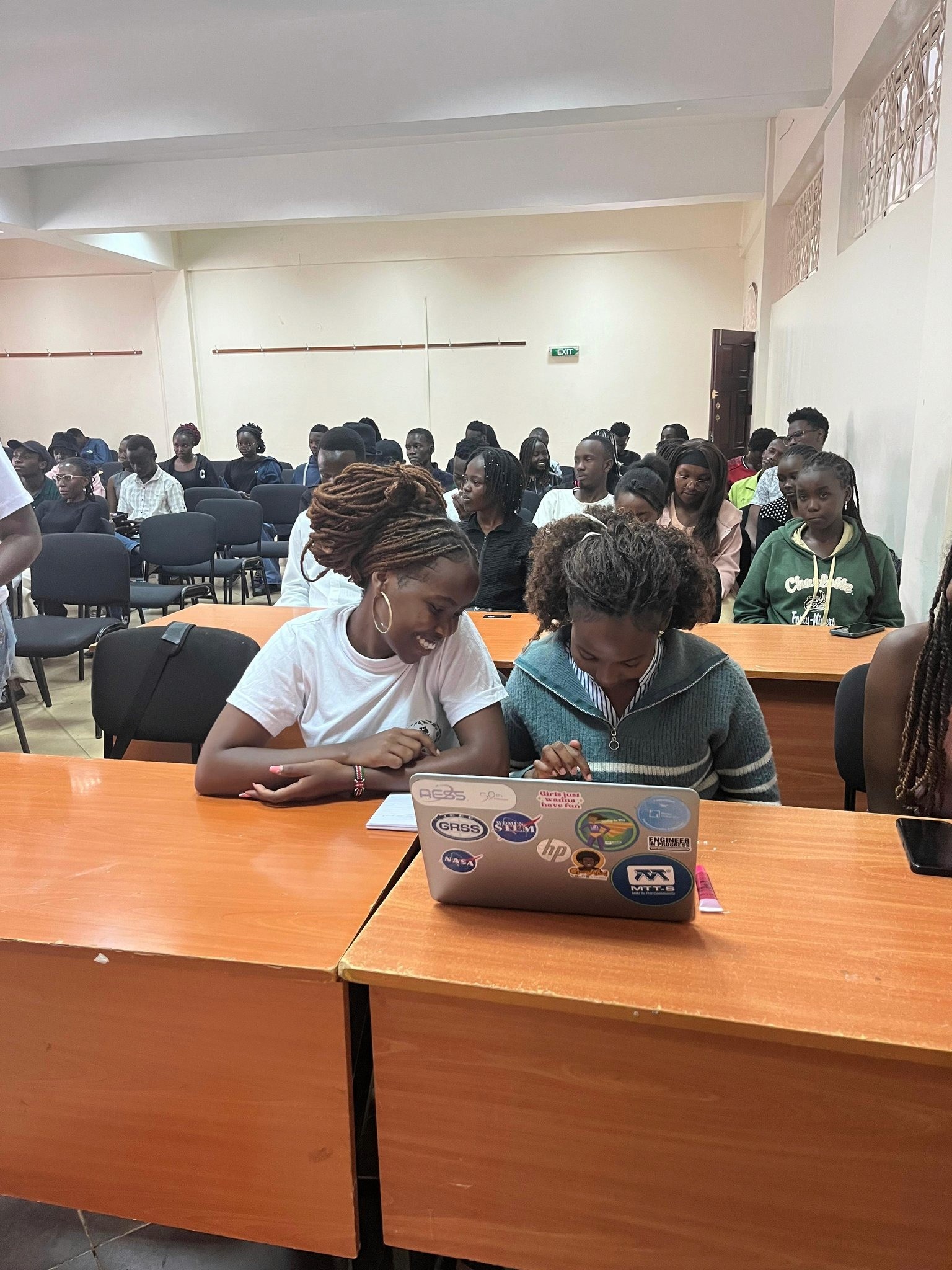
Two students at the event practise using the Fedi app | Photo credit: Bitsavers Eduhub
Getting Started with Fedi
The virtual Fedi onboarding session kicked off with the essentials: participants downloaded the Fedi app, joined the Afribit Federation and then connected to the Bitsavers EduHub Community and the Kenyatta University Public Group, a Fedi group that Kariuki created just for this event.
The process was intuitive and quick — with just a few clicks each of the students had downloaded Fedi and were part of the aforementioned Communities.
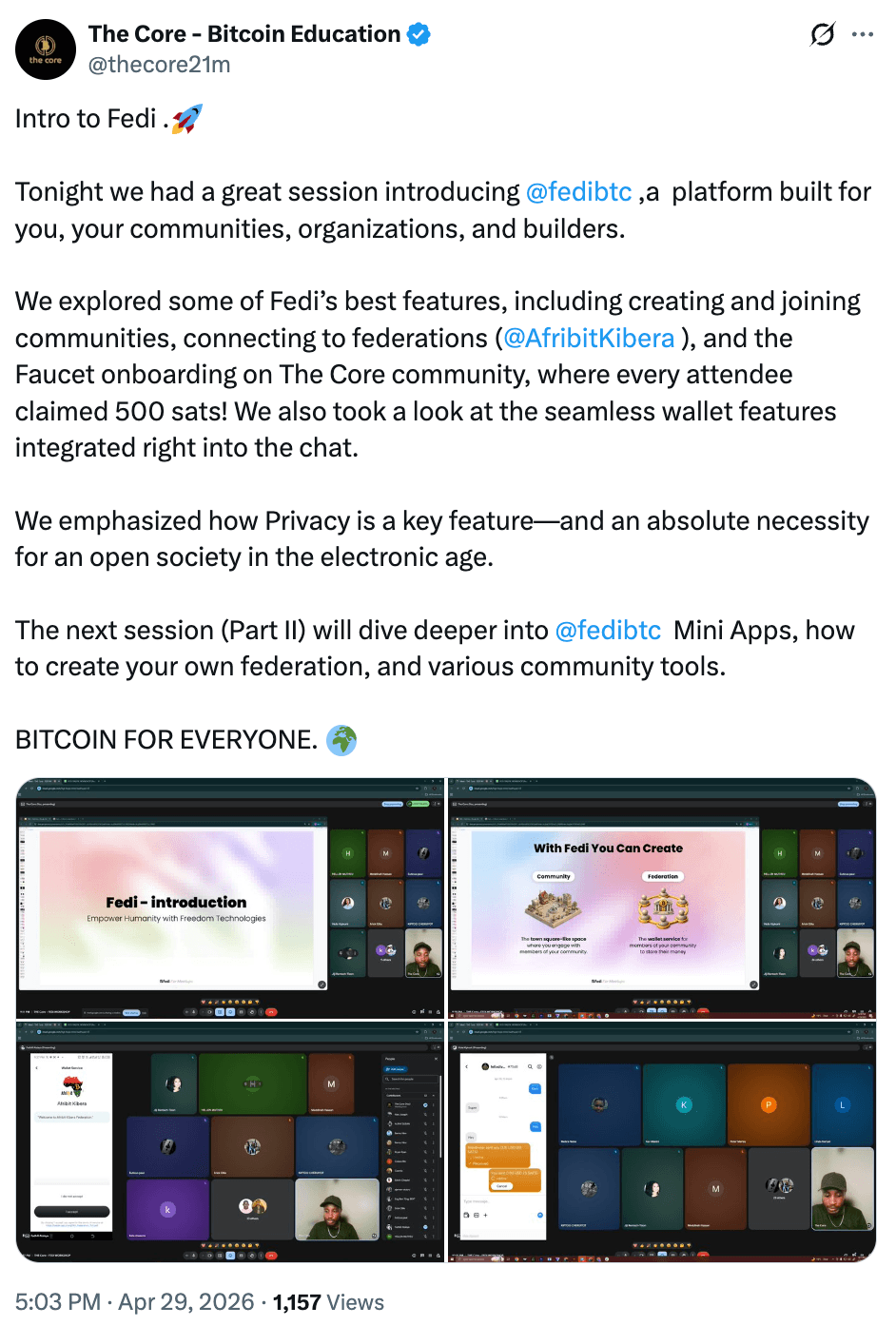
Felix Mukungu, founder of The Core, shared a message on X about the virtual session he hosted
And then they went and retrieved some sats from the Bitsavers “faucet.” (Faucets are websites or apps that reward users with free sats, sometimes for completing small tasks. They can serve as on-ramps for new users.)
Kariuki and Mukunga walked the students through the process of claiming 500 sats each from the Bitsavers faucet.
For many in attendance, these 500 sats were their very first satoshis.
Mini Apps, M-Pesa, and a Meal Paid in Bitcoin
Once wallets were funded, the session moved into exploring Fedi's broader ecosystem.
Two mini apps stood out as immediately practical:
Minmo, which students used to purchase bitcoin, and
Tando, which allowed them to send money directly to M-Pesa. In a country where M-Pesa is woven into the fabric of daily financial life, the ability to bridge the two worlds in a few taps was not lost on the room.
The session's most tangible demonstration of Bitcoin's everyday utility came at lunchtime, when students paid 21 sats each for their meal.
It is one thing to tell someone that Bitcoin can be used as money. It is quite another to hand them a phone, have them scan a QR code, and watch them pay for their lunch with it.
Kariuki and her team also demonstrated the wallet feature within Fedi's chat function, sending 100 sats to the most active attendee of the session.
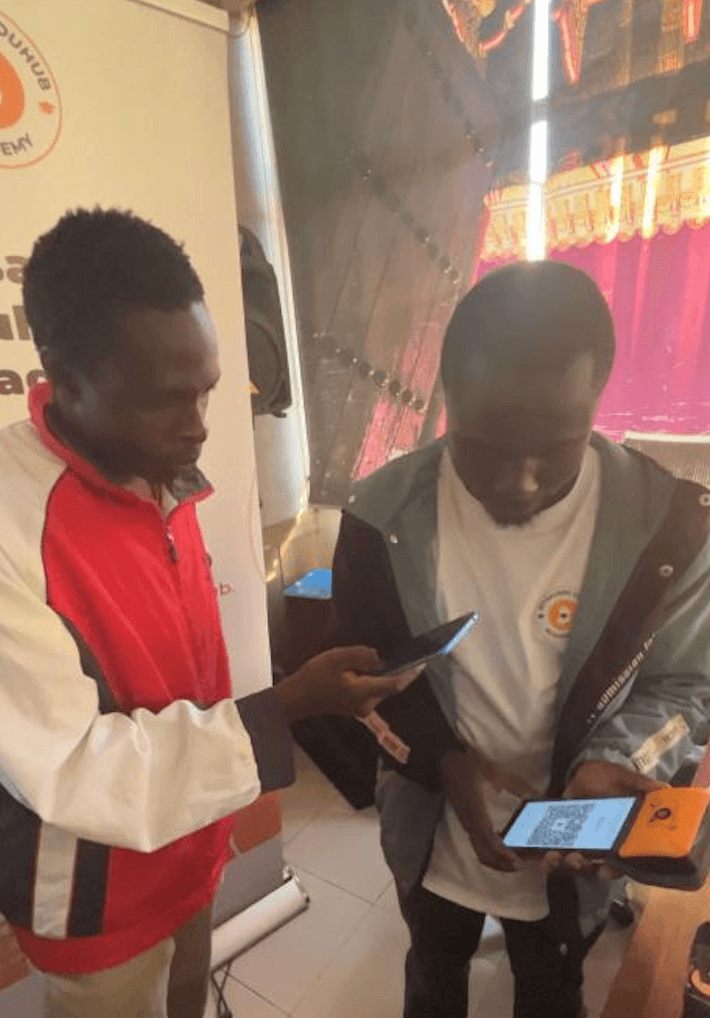
One student practices paying another student at the event using Fedi | Photo credit: Bitsavers Eduhub
The speed of the transfer, and the fact that it required no personal information, generated genuine excitement amongst the group.
Addressing the Sceptics
The programme also surfaced the most common misconceptions in the room: "Bitcoin is a scam" and "it can be seized by the government."
Rather than arguing against these views in the abstract, the team let the live demonstrations do the talking.
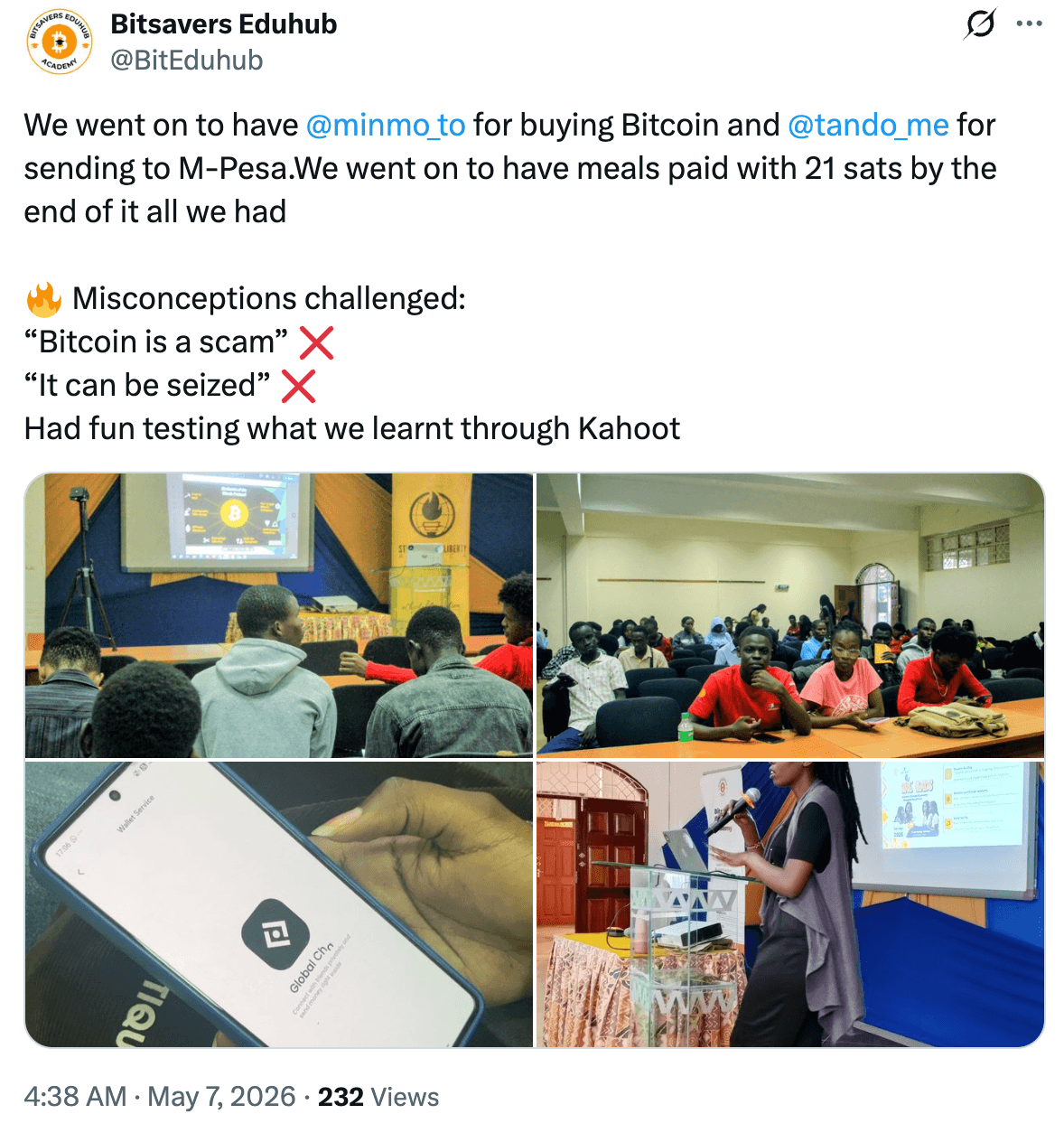
Kariuki and Mukungu addressed misconceptions about Bitcoin at the event
By the time the session drew to a close, the speed, privacy and peer-to-peer nature of Bitcoin transactions had made a compelling case of their own.
Students left with strong enthusiasm for sustaining the Kenyatta University group and expanding campus adoption across Nairobi.
Enthusiasm and Expansion
At the conclusion of the event, a number of the attendees requested a step-by-step tutorial for the onboarding process — something they can work through at their own pace before or after a live session.
What is more, a number of the students expressed interest in keeping the Kenyatta University Public Group going and expanding the number of students on campus who were a part of it.
Such requests and enthusiasm are actionable signals that engaging educational efforts have been a success.
This was exactly the kind of community input that helps shape Fedi into a better product for the people it is built to serve.
